



One of the advantages I’ve had throughout my career is seeing athlete endorsements from both sides of the table.
I’ve been the one writing the checks. And I’ve advised those receiving the checks.
It’s good to understand and learn from those who’ve received endless deals. However, every athlete’s situation is unique and you’re often getting survivorship-bias (or failure-bias) information. Understanding the perspective of the person writing the checks is infinitely more valuable.
Companies don’t think like athletes.
They think like businesses.
And businesses think in numbers - return on investment.
It’s an Investment, Not a Reward
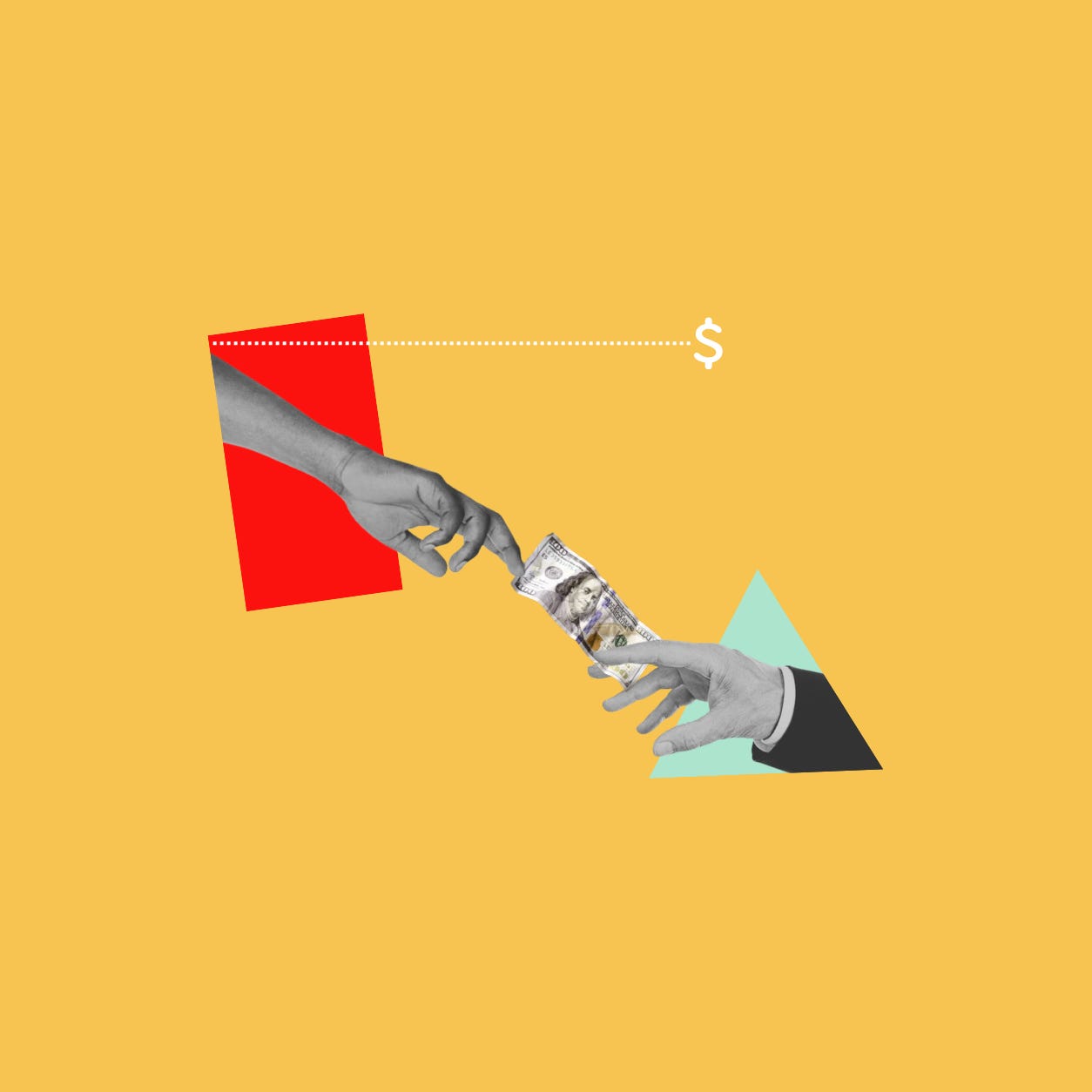
An endorsement deal is almost never a reward. It’s a third-party bet on your future.
The company isn’t paying you because they like you. They aren’t paying you because they think you’re a good person. They’re paying because they believe the money they’re investing in you will eventually come back to them in spades.
That’s it.
Nothing more.
I often hear athletes say, “I just want to get paid what I’m worth.”
That’s not how markets work.
You don’t determine your value.
The market does.
Companies think, “What is this athlete worth to us?”
Every endorsement starts as an expense.
Your job is to turn yourself into an asset.
Not Every Company Thinks the Same
Not all companies evaluate athletes the same way.
A local business doesn’t think like a regional company.
A regional company doesn’t think like Nike.
Every company has different budgets, different timelines, different angles, and different levels of risk tolerance.
A small business owner may have spent twenty years building that company. Assume that to them every marketing dollar matters. If they spend $15,000 sponsoring an athlete and nothing happens, they feel it.
A global brand can afford to experiment, and on longer timelines. They have larger budgets, more data, and a portfolio of athletes. One endorsement that doesn’t perform isn’t going to put a dent in their ship, let alone sink it.
Understanding who is writing the check matters just as much as understanding the contract.
Your First Deals Are an Education
This is why I advise younger athletes to view their early endorsement deals differently.
Most athletes think their first deal is about making money. Sure. But I believe it’s more about learning.
Most of you won’t begin with global brands.
You’ll begin with local dealerships, restaurants, banks, construction companies, medical practices, and regional businesses.
Good.
These companies can teach you how business actually works.
How meetings are run.
How campaigns are measured.
How professionals communicate.
How expectations are managed.
Take advantage of this. Use it as an chance to build business experience while getting paid.
That’s opportunity.
Nike likely won’t give you the time of day to learn their thought process. But smaller business owners often love talking shop. If you’re curious enough to ask questions, they’ll teach you how they think.
It’s also why I don’t believe athletes should obsess over squeezing every dollar out of their early deals.
I’m not suggesting you undervalue yourself.
I’m suggesting you understand leverage.
If you’re just entering the endorsement world, you probably don’t have much of it yet. That’s okay. View this stage as your apprenticeship.
You’ll have shorter contracts. This creates the opportunity to test, iterate, and learn.
Learn what types of companies you enjoy working with.
Pay attention to what actually creates value.
You may think companies want you because you’re scoring goals.
Later you might realize they hired you because you’re scoring goals and:
You’re authentic on camera.
Or because you’re exceptional with kids.
Or because you naturally build community.
Sometimes your marketing superpower has less to do with your athletic superpower and more to do with that superpower plus another trait of yours.
The earlier you discover what that might be, the better.
There Are Different Types of Athletes
Athletes tend to evaluate themselves based almost entirely on performance.
Companies don’t.
They evaluate both your performance and your marketability.
Some athletes are good.
Some are great.
The rare few are generational.
Separately, some athletes are entertaining.
Some are mysterious.
Some let their performance do all the talking.
None of these are inherently better than the others. They’re simply marketed differently.
An outgoing athlete with a large following is often an easier sell to executives because the strategy may be more clear.
A quieter athlete requires more imagination, but sometimes ends up becoming the stronger long-term play because the company gets to build the story alongside them.
Neither is right or wrong.
They’re just different.
Start thinking about where you sit in this equation.
Professionalism Is Part of the Product
All endorsable athletes should understand that companies have different levels of tolerance depending on who they’re sponsoring.
The more exceptional you are, the more mistakes people will tolerate.
But don’t confuse tolerance with immunity. Even the biggest stars eventually run out of second chances.
For the overwhelming majority of athletes, professionalism is part of the product.
Showing up on time matters.
Following through matters.
Being easy to work with matters.
If you’re not a unicorn (well, even if you are), reliability becomes part of your competitive advantage.
The Best Question You Can Ask
If you remember one thing from this article, remember this question: “How will you measure success?” or, “What’s the end game for you, or how do you view success in our situation?”
You do this, you’ve changed the relationship.
To them, you’re no longer potential asset receiving a check. You’re a teammate trying to help them succeed.
Questions like this break the ice and spawn conversations that will teach you more about business than any contract ever will.
Don’t Forget Why They Hired You
Finally, don’t lose sight of the reason any of this exists.
You’re being endorsed because you’re exceptional at your sport.
The second your image becomes more important than your performance, you’ve started attacking the very thing that got you there.
Never forget what created the opportunity in the first place.
Companies certainly won’t.
INNO ATHLETE
Helping athletes think clearly about performance, strategy, and business.
Connect: Website | Tiktok | Instagram | Facebook | X | LinkedIn | YouTube